Forge Component Library
Architected a multi-brand component library supporting 3 distinct brand identities from a single codebase. Built a token pipeline that transforms design tokens from Figma into platform-specific outputs for web, iOS, and Android.
Role
Senior Design Technologist
Timeline
Feb 2025 - Jul 2025
Team
1 Designer, 2 Engineers, 1 Brand Strategist
Impact
3 brands / 1 codebase / 120+ tokens
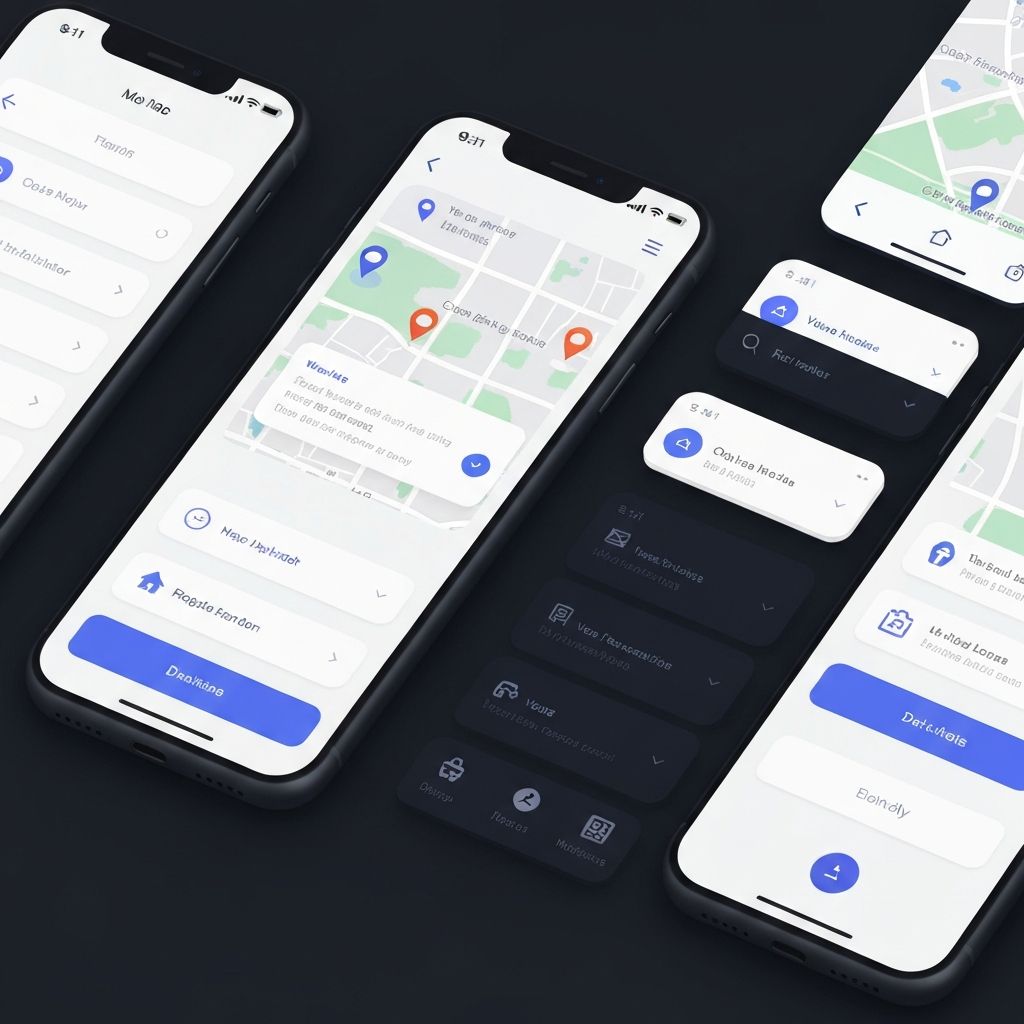
Overview
Onyx Inc. operates three consumer brands that share a technology stack but have distinct visual identities. Forge was designed to be a single component library that could express all three brands through a token-swapping architecture, eliminating the need for separate codebases.
The Problem
Maintaining three separate component libraries was unsustainable. Bug fixes had to be replicated three times, feature parity was always lagging, and the engineering cost of supporting three UIs was eating into product development time. The brands needed independence in visual expression but shared infrastructure underneath.
Process
Project Phases
Brand Analysis
2 weeksWorked with brand and marketing teams to decompose each identity into its fundamental design primitives. Identified what was structurally shared (layout, interaction patterns) versus what was visually distinct (color, typography, iconography).
Deliverables
Token Architecture
3 weeksDesigned a layered token system where global tokens define the palette and a brand layer maps semantics. Each brand gets its own theme file that swaps the visual layer without touching component logic.
Deliverables
Component Abstraction
6 weeksRefactored existing components to decouple visual presentation from structure and behavior. Created a component API that accepts theme context and renders brand-appropriate styles automatically.
Deliverables
Platform Outputs
4 weeksExtended the token pipeline to generate platform-specific outputs: CSS custom properties for web, Swift asset catalogs for iOS, and XML resources for Android. A single source of truth flowing to all platforms.
Deliverables
Results
Outcomes
3
Brand identities from a single codebase
120+
Design tokens in the shared system
67%
Reduction in UI maintenance overhead
3x
Faster brand-specific feature rollout
Reflection
"Multi-brand systems require a deep investment in abstraction upfront, but the compounding returns are enormous. The key insight was separating 'what it does' from 'how it looks' at every level of the stack."